


Prompt:
You’re tasked with developing a resource to assist our major league coaching staff with ABS challenge strategy in 2026. Describe your plan for developing this resource.
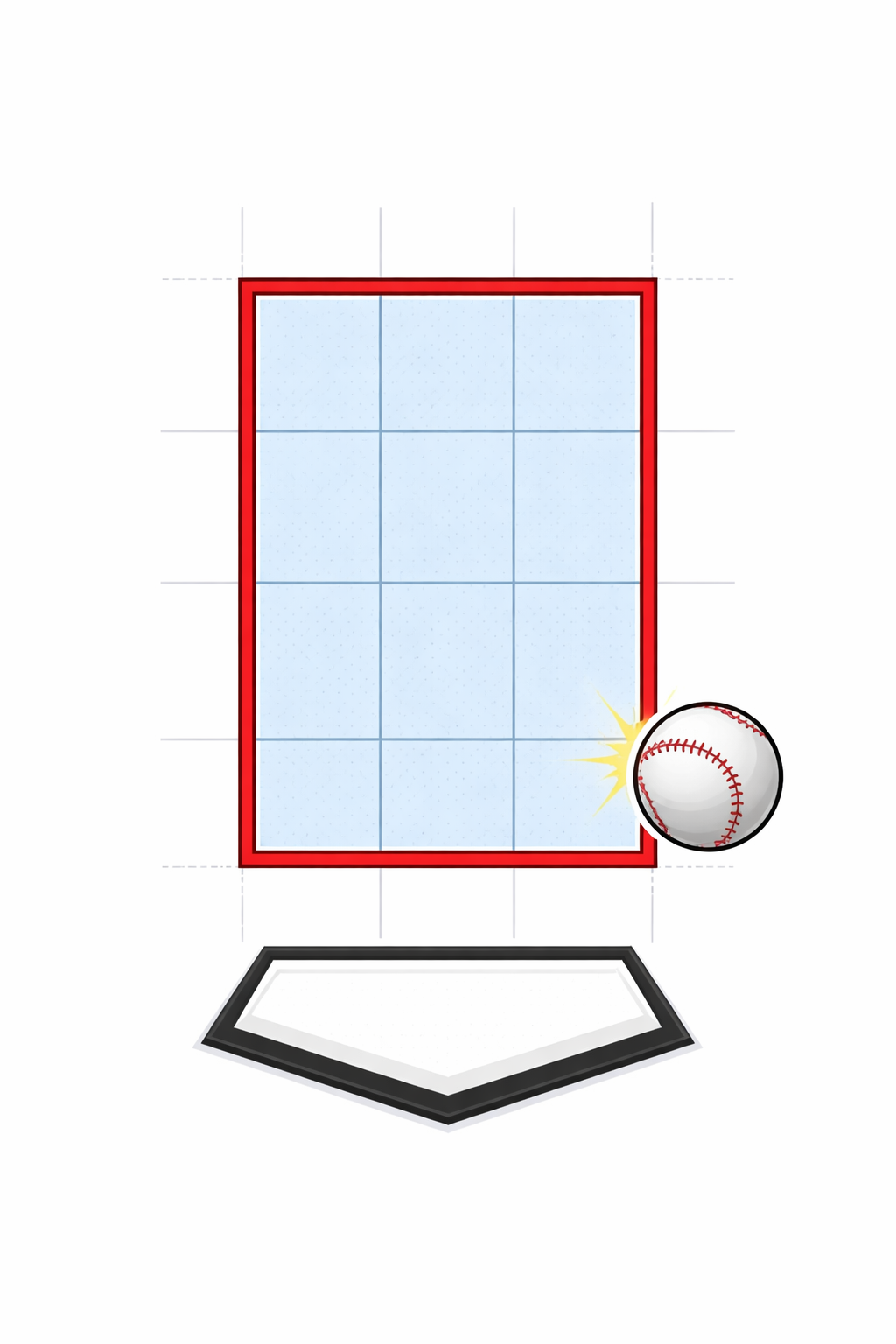
Information that I would consult
I would begin by reviewing the official MLB ABS challenge system rules, including challenge limits, retention rules, and extra-inning procedures. Key operational details—such as the fact that only the pitcher, catcher, or batter may initiate a challenge, must signal immediately by tapping their hat or helmet, and cannot receive input from the dugout—would be essential for designing any strategic guidance.
Next, I would gather and consolidate a comprehensive set of 2025 ball/strike data. This would include league-wide and team-specific metrics such as missed-call rates by game and by count, spatial trends in missed calls, individual umpire tendencies, and internal evaluations of which of our hitters demonstrate consistently strong strike-zone judgment (chase %). All of this data would form the foundation for identifying where challenges historically create the highest value.
Who I would consult
I would collaborate closely with members of the Pirates Strategy group and front office, as well as the major league coaching staff and select players, to gather their perspectives and ensure the resource aligns with on-field decision-making.
Given their practical experience, I would also consult with minor league staff—especially at Triple-A Indianapolis—who have already operated under the ABS Challenge System. Their insights into in-game processes, player comfort, and common pitfalls would be invaluable.
Because ABS is newly implemented at the MLB level, the initial resource will not be perfect. I would treat it as a living document, continuously refining it throughout the season based on feedback, new data, and evolving league trends.
Questions that I would answer
- Are umpires more prone to calling balls as strikes, or strikes as balls—and where in the zone do these misses most commonly occur?
- Which position—pitcher, catcher, or hitter—has historically shown the highest accuracy in initiating successful challenges?
- Which umpires exhibit the strongest tendencies or patterns in missed calls, and in what location / count do those tendencies appear?
- Are certain pitchers more likely to receive favorable or unfavorable calls on specific pitch types or locations?
- How do a catcher’s setup, receiving skills, and framing tendencies influence an umpire’s likelihood of missing a call?
- Which counts or in-game situations yield the highest swing in win probability and therefore merit more aggressive or conservative challenge strategies? Is it best to conserve at least one challenge for later innings?
- Are batters / catchers consistently looking at iPads in between innings to gain knowledge about in-game missed calls?
Plan of attack for developing resource
My plan of attack is to gather and centralize relevant ABS data—including rules, missed-call patterns, umpire tendencies, and player-specific metrics—analyze it using statistical models to identify high-value challenges, develop a practical decision framework for coaches and players, and iteratively refine the resource through collaboration with the strategy team, on-field staff, and experienced minor-league personnel throughout the season.